
Population Health Tips That Drive Real Change
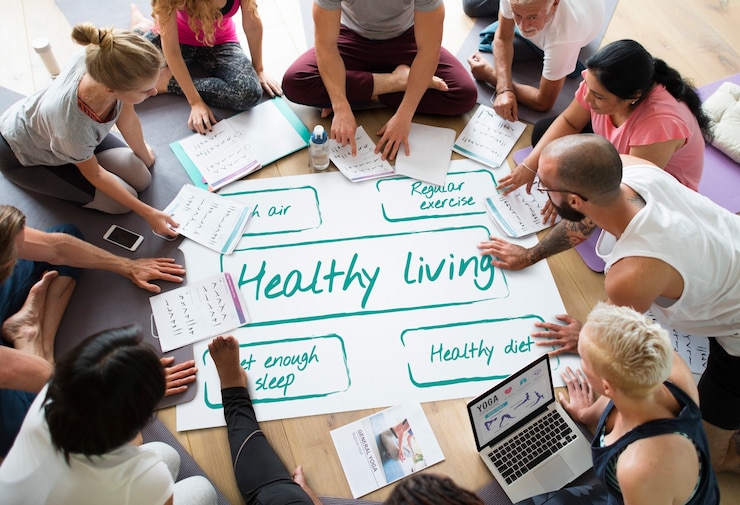
Improving health on a population level isn’t about quick fixes or top-down mandates—it’s about cultivating habits, systems, and mindsets that inspire sustainable wellness for all. When a community collectively makes healthier choices, the benefits ripple outward, influencing everything from healthcare costs to quality of life. Real change happens when everyday people take small steps with lasting impact.
Below are population health strategies designed to empower communities, enhance lives, and inspire a brighter, healthier future.
Prioritize Prevention Over Reaction
The adage “an ounce of prevention is worth a pound of cure” couldn’t be more accurate when it comes to population health. One of the most impactful actions a community can take is to prevent health issues early. This means encouraging regular screenings, vaccinations, and proactive wellness checks.
Catching conditions like diabetes, hypertension, and certain cancers in their early stages leads to better outcomes and significantly lower costs. It’s not just about individual health—it’s about building a society where longevity and vitality are the norm, not the exception.
Create a Culture of Shared Wellness
Health is personal, but wellness thrives in a collective spirit. Encouraging shared experiences—like group walks, neighborhood fitness challenges, or healthy cooking nights—can uplift entire communities. When people boost wellness together, they build trust, accountability, and motivation.
This approach turns isolated efforts into shared missions. Whether it’s a school launching a mindfulness program, a local grocer promoting fresh produce discounts, or a company starting a lunchtime yoga club—community-based initiatives foster connection and amplify results.
Make Health Accessible for Everyone
True transformation begins with inclusivity. Health resources must be within reach for all—regardless of income, location, or background. That means offering multilingual materials, placing clinics in underserved neighborhoods, and investing in transportation to medical centers.
If we want healthy change for all, access must be equitable. Mobile health units, virtual consultations, and free health education programs are excellent steps in leveling the playing field. When everyone has a fair shot at good health, communities flourish.
Nurture Mental and Emotional Health
Physical health gets a lot of the spotlight, but mental and emotional well-being are equally vital. Community mental health initiatives—such as peer counseling, stress relief workshops, and safe spaces for expression—can help reduce stigma and encourage healing.
By integrating mental health into mainstream care and conversation, we support a more holistic approach to well-being. It’s not enough to treat the body. Healing the mind is key to long-term health. Promoting emotional intelligence and resilience at all life stages creates stronger, more connected communities.
Improve the Built Environment
Where people live greatly influences how healthy they can be. Safe sidewalks, clean parks, bike lanes, and public gardens all contribute to increased physical activity and decreased chronic illness. Creating spaces that invite movement and mindfulness is a tangible way to support population health.
Urban design should promote walkability, safety, and serenity. A stroll-friendly neighborhood isn’t just charming—it’s a proven path to better outcomes. When cities invest in these structural elements, they’re not just beautifying—they’re applying community well-being steps that truly matter.
Educate, Empower, and Engage
Information is power—especially when it’s shared in a way that’s clear, culturally relevant, and practical. Hosting workshops, distributing infographics, and launching wellness campaigns can arm citizens with the tools they need to make informed choices.
Health education should begin early and never stop. Teaching children about balanced nutrition, emotional regulation, and physical movement sets the foundation for a lifetime of well-being. Adults benefit from continued guidance—be it through workplace wellness programs or digital content.
Let people know how their habits affect not just their own life, but the vitality of their loved ones and community. Awareness sparks action.
Support Healthy Food Systems
Food is medicine. Ensuring access to nutritious, affordable, and culturally appropriate foods is essential for any community. Farmers’ markets, community-supported agriculture (CSA), and school lunch reform can all play a role in creating healthy change for all.
Additionally, community gardens don’t just offer fresh produce—they build camaraderie, pride, and skill. When people take part in growing what they eat, their connection to health becomes tangible.
Celebrate Progress, Not Perfection
Population health is a journey, not a finish line. Celebrate the wins, however small. Did more kids walk to school this month? Did the town’s step count increase? Did fewer sugary drinks get sold at the local store? These are victories worth acknowledging.
Progress builds morale. And when people see that their choices matter, they’re more likely to stay committed. Recognizing community heroes, hosting wellness fairs, or simply offering praise can reinforce the positive momentum.
Cultivate Compassionate Leadership
Local leaders play a pivotal role in driving change. When public figures champion health—by modeling good behavior, funding impactful programs, and listening to the needs of their constituents—they send a powerful message.
To successfully implement community well-being steps, collaboration is key. Health departments, nonprofits, businesses, schools, and faith groups must work together. Their combined resources and perspectives can bridge gaps and drive innovation.
Final Thoughts
Building healthier communities isn’t about overhauling lives overnight. It’s about planting seeds—encouraging one better choice, one supportive action, one informative conversation at a time.
When we prevent health issues early, boost wellness together, and advocate for healthy change for all, we don’t just improve numbers on a chart. We uplift real lives. We raise families in environments that nourish them. We age with dignity, surrounded by care.
Population health thrives when care becomes collective. Let each act of wellness—no matter how small—be a brick in the foundation of a stronger, more resilient world.


